Avoid common mistakes when hiring Sydenham gardeners
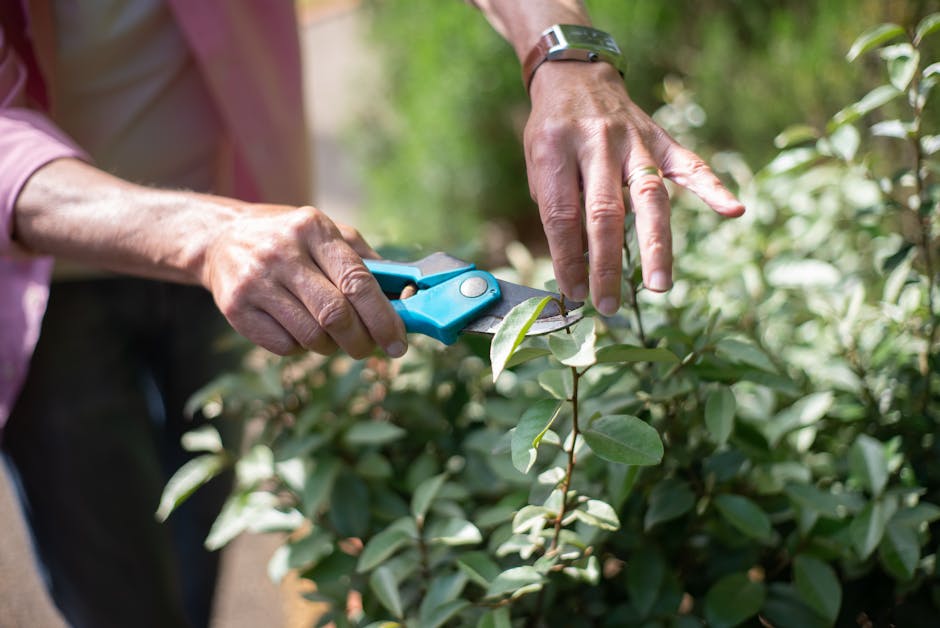
Hiring a gardener should make life easier, not create more hassle. Yet a lot of people in Sydenham end up with patchy results, surprise costs, or work that looks tidy for a week and then slips back into chaos. If you want to avoid common mistakes when hiring Sydenham gardeners, the real trick is not just finding someone who says they can cut hedges or mow lawns. It is choosing a person or team who understands your garden, your expectations, and the practical realities of working on a real London property. That can mean a small front plot, a tired back garden, or a larger space that needs proper planning. Either way, a thoughtful hire saves time, money, and a fair bit of stress.
Below, you will find a clear guide to what goes wrong most often, how to check quality before you commit, and how to spot a gardener who will actually do the job properly. Nothing fluffy. Just useful advice you can act on.
Why avoiding hiring mistakes matters
Good garden work is not only about appearance. It affects safety, plant health, kerb appeal, and how much maintenance you will need later. A rushed cut can damage hedges. Poor waste handling can leave your driveway looking like a jumble sale. And if a gardener does not understand the layout of your space, they may spend longer than necessary, which usually means you pay more for less value. Bit annoying, really.
In Sydenham, gardens can be quite varied. Some are compact and shaded, others are long and narrow, and many have mixed surfaces, slopes, or older planting that needs a gentler touch. The wrong hire can mean the difference between a space that feels calm and usable, and one that feels half-finished. To be fair, most people do not hire a gardener every month, so it is easy to miss the signs until the work is already underway.
This is why checking properly matters. A good gardener should help you make sensible decisions, not just agree with everything you say. That includes advising when a simple garden maintenance visit is enough, when a bigger tidy-up is needed, or when a specific task such as lawn mowing or hedge trimming should be handled with care.
Expert takeaway: the cheapest gardener is rarely the cheapest choice if the job has to be redone, repaired, or cleared up afterwards.
How the hiring process should work
Hiring a gardener should follow a simple, sensible flow. First, you explain what you need in plain language. Then the gardener inspects the site or asks enough questions to understand access, size, waste, timing, and any delicate areas. After that, they should provide a clear quote or at least a clear pricing structure. Finally, the work is carried out with agreed standards and a tidy finish. Clean enough. Not complicated.
What often goes wrong is that people skip one of those steps. They ask for a quick price on a vague description, accept it, and hope for the best. Then on the day, the gardener arrives and discovers the garden is much bigger, more overgrown, or more awkward than expected. That is where disagreements begin.
If you are planning anything beyond a basic tidy-up, it helps to think in terms of scope. Are you looking for one-off clearance, ongoing care, or a combined job with landscaping or structure work? The answer changes what you should ask for. For example, if the garden has been left for a while, a proper garden clearance may be the first sensible step before moving on to regular upkeep.
Key benefits of choosing well
Hiring the right Sydenham gardener brings a lot more than a neat border and a trimmed lawn. It gives you predictability, less risk, and better use of your budget. That matters whether you are a homeowner, landlord, tenant, or property manager trying to keep a place presentable without constantly chasing problems.
- Better value for money: clear scoping means fewer misunderstandings and fewer repeat visits for the wrong task.
- Healthier plants and surfaces: proper techniques protect hedges, turf, shrubs, decking, and paths.
- Less disruption: well-organised work is faster, cleaner, and less stressful.
- Safer outdoor spaces: overgrowth, broken branches, and hidden debris are handled properly.
- Stronger long-term results: a sensible maintenance plan keeps the garden easier to manage over time.
If your garden includes different elements, a good provider should be comfortable discussing related services too, such as landscape gardening, landscaping, or even related outdoor improvements like decking services. You do not need all of that, of course. But it is reassuring when a gardener understands the bigger picture.
Who this advice is for and when it makes sense
This guidance is useful if you are:
- booking a gardener for the first time
- replacing someone who was inconsistent or hard to reach
- trying to sort out an overgrown garden before a sale or tenancy change
- setting up regular care after a long period of neglect
- comparing a few local gardeners and not sure how to choose
It also makes sense if you have a specific problem. Maybe the hedge has grown wild at the back fence. Maybe the lawn is patchy and needs better routine care. Or perhaps a tree is blocking light and you need to know whether it is simply pruning, or something closer to tree lopping and removal. Different jobs require different experience, and that is where many people trip up.
Truth be told, it is not always easy to tell the difference between someone who sounds confident and someone who really knows their way around garden work. That is exactly why a bit of structure helps.
Step-by-step guidance
Here is a practical way to hire without the usual headaches.
1. Write down what you actually want done
Do not start with a vague "sort the garden out" if you can help it. List the tasks: mowing, hedge cutting, border weeding, leaf clearance, pressure cleaning, waste removal, or a seasonal tidy. The clearer you are, the better the quote will be. You will also spot faster whether a gardener is listening or just nodding along.
2. Check whether the gardener offers the right type of service
Some gardeners specialise in regular maintenance. Others are better suited to one-off clearances or larger transformations. If you need recurring visits, ask about garden maintenance plans. If the garden needs a serious reset first, ask about a clearance job before moving into ongoing care.
3. Ask about experience with your kind of garden
A tiny paved courtyard and a big family garden do not need the same approach. Neither do formal front gardens and mixed wildflower spaces. Ask whether they have handled similar jobs before. A competent gardener should be able to explain how they would tackle your space without sounding rehearsed.
4. Request a written quote or clear price breakdown
Some jobs can be priced simply, but it should still be clear what is included. Labour, waste removal, materials, and return visits should not be left floating in mid-air. If you need help understanding how quotes are structured, the site's pricing and quotes page is a useful place to start.
5. Confirm timing, access, and tidy-up expectations
Ask when they can start, how long the work may take, where they will park, and what happens with cuttings and debris. A tidy finish is not a bonus. It is part of the job. Really, it should go without saying, but here we are.
6. Make sure safety and insurance are not being glossed over
If the work involves ladders, power tools, larger branches, or heavy waste, the gardener should be thinking about safety in a practical way. You can review the company's approach through its insurance and safety information and its health and safety policy.
7. Set expectations for follow-up
If the first visit reveals bigger issues, it is better to discuss next steps there and then. That might mean a one-off intervention, a seasonal plan, or a broader services overview conversation so you understand your options.
Expert tips for better results
The best gardening jobs tend to come from good communication, not just good tools. A mower, a trimmer, and a van are all useful, yes, but they do not replace judgement.
- Share photos before the visit: a couple of clear pictures can save a lot of back-and-forth.
- Ask what they would do first: experienced gardeners often begin with safety, access, and waste before cutting anything.
- Notice how they talk about plants: if they describe everything as "just chop it back," that is not ideal.
- Be wary of overpromising: a credible gardener will explain limits, seasonal timing, and likely outcomes.
- Think in seasons, not only jobs: spring, summer, autumn, and winter each bring different priorities. A good plan reflects that.
One small but useful sign: the gardener asks questions you had not thought of. For example, where do you want clippings left, which shrubs need to stay compact, and whether the lawn area gets shaded in the afternoon. That sort of detail usually tells you the person is paying attention.
If sustainability matters to you, it is also fair to ask how green waste is handled, whether materials are recycled where possible, and what the approach is to responsible disposal. Some customers care a lot about this, especially when a major tidy-up is involved. The company's recycling and sustainability information can help set expectations.
Common mistakes to avoid
This is the heart of it. Most hiring problems come from a handful of predictable mistakes. If you avoid these, you are already ahead of the curve.
Choosing only on price
The lowest quote can be tempting, especially if the garden looks like a lot of work. But if the quote is much lower than the others, ask why. It might not include waste removal, may assume a smaller scope, or may simply reflect limited experience. Cheap can become expensive very quickly when the job needs redoing.
Not defining the job properly
If you do not state what is included, the gardener may assume something different from you. One person thinks "tidy the borders" means a full weed and edge cleanup. Another thinks it means a quick rake-through. Same phrase, different reality. Messy conversations usually become messy invoices.
Ignoring access and parking issues
Sydenham properties can vary quite a lot in access. Narrow side returns, shared entrances, rear lanes, or limited parking can all affect the work. If a team cannot bring tools close to the garden, the job takes longer and may cost more. Mention access early. It is a small thing, but it matters.
Not asking about waste disposal
Cut branches, grass, weeds, and soil do not vanish by magic. Ask who removes the waste, where it goes, and whether that is included in the price. A garden can look immaculate until you spot the mountain of clippings by the back gate. Not ideal.
Assuming all gardeners do the same kind of work
Some are brilliant at routine lawn care. Others are stronger on landscaping, planting design, or clearance. If your job involves more than basic maintenance, match the person to the task. For example, a large seasonal reset may need a team that can handle garden clearance before the usual upkeep begins.
Forgetting to check professionalism
Responsiveness, punctuality, clarity, and respectful communication matter. If messages are vague before you book, that usually does not improve afterwards. A reliable service should feel organised from the start.
Skipping safety questions
Tree work, tall hedges, and heavy cutting equipment all bring risk. Even fairly ordinary garden jobs can go wrong if safety is ignored. Do not be awkward about asking. Sensible professionals expect it.
Failing to plan for recurring maintenance
If the garden gets out of control quickly, a one-off tidy may only solve the short term. Ask whether ongoing visits would be more efficient. For lawns in particular, regular care can make a surprisingly big difference, which is why lawn mowing on a sensible schedule is often better than occasional rescue jobs.
Tools, resources and recommendations
You do not need specialist knowledge to hire well, but a few simple tools and habits help a lot.
- Photos and a short written brief: send before-and-after examples if possible, or describe the result you want.
- Garden measurements or rough sizes: even approximate dimensions help with pricing.
- A checklist of priorities: what must be done, what would be nice to do, and what can wait.
- Access notes: gate width, parking limits, shared walkways, or any awkward entry points.
- Questions about aftercare: especially if hedges, lawns, or beds will need follow-up attention.
If you are comparing service types, the most useful pages are usually the ones that explain scope and expectations clearly. In this case, hedge trimming, lawn mowing, and services overview can help you think about the job in practical categories rather than trying to guess from a short advert.
And one more thing. Keep a simple note of what was agreed, even if it is only in an email or message. It avoids memory drift. Memory drift is a real thing, and yes, it affects all of us, gardeners included.
Law, compliance and best practice
For most domestic garden jobs, the key compliance issues are practical rather than dramatic. You are usually looking at safe use of equipment, sensible waste handling, liability cover where appropriate, and clear agreement on what is being done. If a job involves larger trees, significant height work, or more complex site conditions, the risk level rises and you should expect a more careful approach.
It is also sensible to be aware that some work may need extra caution depending on the property, the type of tree or hedge, and the location of underground services or shared boundaries. A careful gardener should not be guessing. If they are not sure, they should say so and take a proper step back. That is not weakness. It is professionalism.
From a best-practice point of view, ask whether the business has a clear complaints process, how payments are handled, and how safety is managed. Those are small signals, but they tell you a lot about how the company operates day to day. If you want to understand the company's general operating standards, the pages on complaints procedure, payment and security, and health and safety policy are worth a look.
For tree or boundary-related jobs, be especially cautious. Good practice means checking what can be done safely, what needs extra equipment, and whether the work should be split into stages rather than forced through in one go.
Options and comparison
When you are hiring Sydenham gardeners, the choice is not always between "good" and "bad." More often, it is between different working styles. Here is a simple comparison that may help.
| Option | Best for | Watch out for | Typical benefit |
|---|---|---|---|
| One-off tidy-up | Overgrown gardens, pre-sale prep, seasonal resets | May not solve ongoing issues | Fast visual improvement |
| Regular maintenance visits | Lawns, borders, hedge control, general upkeep | Needs clear schedule and scope | Consistent results and lower effort |
| Clearance before maintenance | Neglected gardens that need a reset | Can be more involved upfront | Makes future upkeep much easier |
| Landscape or improvement work | Changing layout, adding structure, refreshing the space | Requires more planning and detail | Longer-term transformation |
In many cases, the smartest route is not to force one service type to do everything. A garden that has been left too long may need a proper clearance first, then maintenance after that. Simple, really. But people often try to skip straight to the "easy" part, and then wonder why the results look patchy.
Real-world example
Imagine a terraced house in Sydenham with a modest back garden: a lawn, two overgrown borders, a hedge along the rear boundary, and a pile of old cuttings near the shed. The owner wants it "tidied up" before family visitors arrive in a couple of weeks.
If they hire purely on a quick message exchange, they may get a gardener who assumes the job is a light mow and trim. On arrival, the site turns out to be more involved. The hedge is dense, the borders are packed with weeds, and the waste volume is far larger than expected. Suddenly the job needs extra time, and the owner feels caught out.
Now imagine the better version. The owner sends photos, explains the deadline, and lists the main tasks: cut the grass, reshape the hedge, clear the borders, and remove debris. The gardener gives a clearer estimate, explains that the hedge may need a separate session if it is too dense for a safe same-day finish, and confirms waste handling in advance. The result is calmer on both sides. No drama, no guessing.
This is what good hiring really looks like. Not perfection. Just enough clarity that the work can be done properly.
Practical checklist
Use this before you confirm any gardener.
- Have I clearly described the work I need?
- Did I send photos or a site description?
- Do I know whether this is one-off work or ongoing maintenance?
- Have I asked what is included in the price?
- Did I confirm waste removal and tidy-up expectations?
- Have I checked access, parking, and entry to the garden?
- Did I ask about experience with similar garden types?
- Have I checked safety, insurance, and professional standards?
- Do I understand the timing and likely duration of the job?
- Have I kept a written note of the agreement?
If you can tick most of those off, you are already in a much better position than many first-time customers. And if a gardener seems irritated by those questions, that tells you something useful too.
Get a free quote today and see how much you can save.
Conclusion
The best way to avoid common mistakes when hiring Sydenham gardeners is to slow down just enough to ask the right questions. You do not need to overcomplicate it. You simply need a clear brief, a fair quote, sensible expectations, and a gardener who communicates properly. That alone removes a lot of risk.
Whether you need a light seasonal tidy, ongoing care, or something more involved like clearance or landscaping support, the right choice will feel organised from the outset. You should come away with less uncertainty, not more. And honestly, that is what good service feels like: calm, clear, and a bit of relief when you see the garden coming back to life.
If you are ready to take the next step, start with the work you need most, compare the options carefully, and choose the person who explains things plainly. A good garden is built on good decisions. One sensible choice at a time.
Frequently Asked Questions
What should I ask before hiring a gardener in Sydenham?
Ask what work is included, how pricing is structured, whether waste removal is covered, what experience they have with similar gardens, and how they handle access, timing, and tidy-up. Those basics tell you far more than a flashy promise.
How do I know if a gardener is reliable?
Look for clear communication, punctual replies, a sensible quote, and a willingness to explain the job properly. Reliable gardeners tend to ask good questions themselves. If everything feels vague, that usually is a sign.
Is it better to book one-off garden clearance or regular maintenance?
It depends on the state of the garden. If it has been neglected, clearance first is usually the better starting point. If it is already under control, regular maintenance may give better long-term value. Sometimes you need both, just in sequence.
Should I choose the cheapest gardener?
Not automatically. The cheapest quote can be fine, but only if it is genuinely comparable. Check what is included. A low price that excludes waste removal, proper labour time, or follow-up can end up costing more in the end.
Do gardeners in Sydenham need insurance?
For professional peace of mind, yes, it is sensible to choose someone with appropriate insurance. It shows they are taking the work seriously and gives you more confidence if something unexpected happens during the job.
What if my garden is overgrown and I do not know where to start?
Start with photos and a short list of priorities. A good gardener can help you decide whether you need a clearance, hedge work, lawn recovery, or a staged approach. You do not need to solve everything before you make contact.
How can I avoid surprise charges?
Be specific about the scope, ask what is included in the price, and confirm whether waste removal, extra labour, or additional visits would cost more. Written confirmation helps a lot. So does a simple message trail.
What is the difference between garden maintenance and landscaping?
Garden maintenance is usually about keeping an existing garden in good order. Landscaping is broader and often involves changing the layout, structure, surfaces, or planting. If you are unsure, ask the gardener to explain which one your project fits.
Can a gardener help with hedges and lawns too?
Yes, many can, but it is worth checking whether they regularly handle hedge trimming and lawn care. Those jobs sound simple, but timing, shape, and technique matter more than people think.
What should a proper quote include?
A proper quote should explain the tasks, any assumptions, what is included in labour, whether waste removal is covered, and how long the work is expected to take. If the job is larger, it should also note any conditions that could change the price.
When is the best time to book a gardener?
There is no perfect universal answer, but booking before the garden becomes urgent is always easier. Spring and early summer can be busy, and autumn often brings a rush of clearance work. If you know you will need help, do not leave it until the weekend before guests arrive.
What if I only need help once, not every month?
That is completely fine. Many people need a one-off tidy-up, especially after a period of neglect or before a move. Just make sure the gardener knows it is a single visit so they can quote realistically and not build in assumptions about future visits.
One good hire can take a surprising amount of pressure off your week. And when the garden looks sorted again, that quiet little sense of order feels better than people expect.