Hedge Trimming in Sydenham
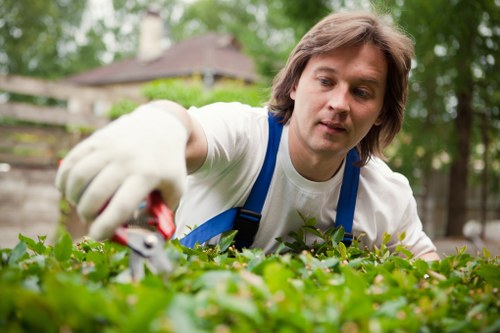
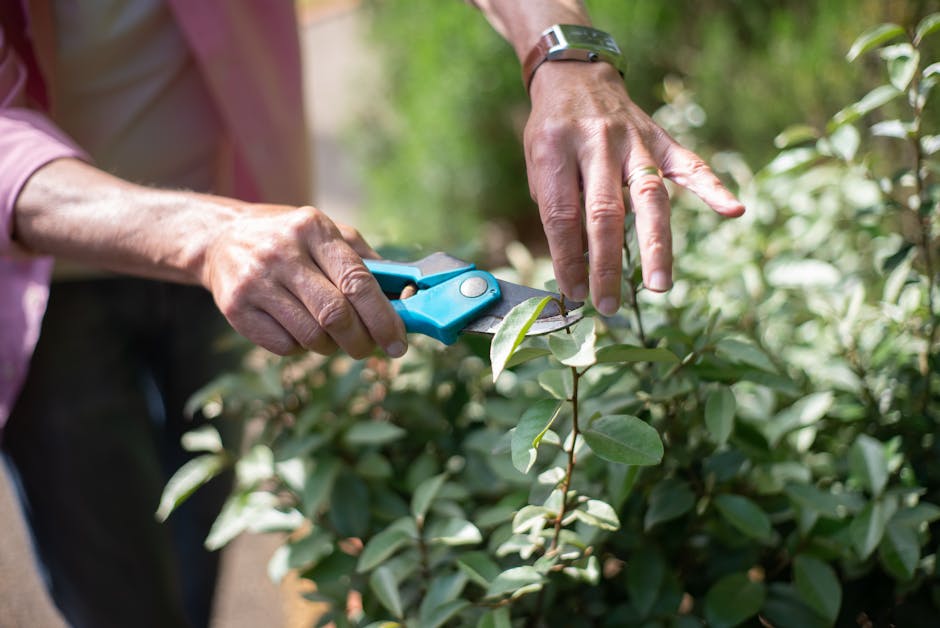
Hedge trimming in Sydenham should leave boundary planting neat, healthy and shaped to suit the space it is growing in. We work on formal hedges, softer garden screening and mixed boundary growth that needs careful reduction rather than rough cutting. The aim is a clean finish that keeps the hedge useful for privacy, light control and kerb appeal without stripping it back more than needed. We focus on practical, tidy results that suit the plant and the property.
If your hedge has started to look uneven, has extended across paths or is hiding windows and gates, regular trimming can restore its outline and make day-to-day upkeep easier. A well-managed hedge also helps prevent thick, woody sections from building up at the base. Where the planting is mature, selective trimming is often better than a hard reset, because it supports even growth and a more consistent look across the season.
Use the pages below to understand the wider service range, then request a quotation when you are ready. If you are planning more than one outdoor task, it can be helpful to think about the hedge, the lawn and any general garden work together so the scope is clear from the start.
Hedge shaping and routine maintenance

Routine hedge trimming is about more than making the top line look straight. The sides, corners and base all need attention so that light can reach the lower growth and the hedge keeps its intended form. Our trimming work can suit clipped decorative hedges as well as long perimeter runs where an even line matters. In each case, the finish should reflect the plant, the season and the amount of growth present, rather than forcing one rigid style onto every hedge.
Good hedge shaping often starts with a measured cut rather than a dramatic reduction. That approach is useful where the hedge still has healthy density and only needs a controlled tidy-up. It also suits properties where keeping the hedge within its boundary is important. For some plant types, repeated light trimming is better than infrequent heavy cutting, because it helps the hedge stay compact without becoming bare or stressed.
We can also help with hedges that have lost symmetry after fast growth, storm damage or uneven previous cutting. In those cases, the work may involve bringing one side or one section back into line while leaving other areas slightly fuller. That kind of balance is often the difference between a hedge that merely looks cut and one that looks properly maintained. If you are comparing options, it may help to consider both appearance and plant health before choosing how much to reduce.
Access, overgrowth and heavier cuts

Some hedges need more than routine tidying. When growth has become too tall, too wide or too dense for a normal trim, a heavier reduction may be the more suitable route. That can involve bringing the hedge back from paths, driveways, fences or garden features while keeping the cut as even as possible. The right approach depends on the hedge type, its condition and how much usable growth remains after cutting.
Overgrown hedges can also create access issues around gates, doorways and side returns. In those situations, the work is often guided by practical clearance first and visual refinement second. A hedge that has outgrown its space may need staged attention, particularly if it has been left unchecked for a long period. Rather than stripping it back all at once, it is often better to restore shape carefully so the hedge can continue to recover and fill in over time.
- Reducing height where a hedge blocks light or overshadows a boundary.
- Drawing the sides back to regain a usable path or driveway edge.
- Softening awkward bulges and uneven growth without over-cutting healthy sections.
- Making the hedge easier to manage at the next scheduled visit.
Other garden work that can sit alongside hedge trimming
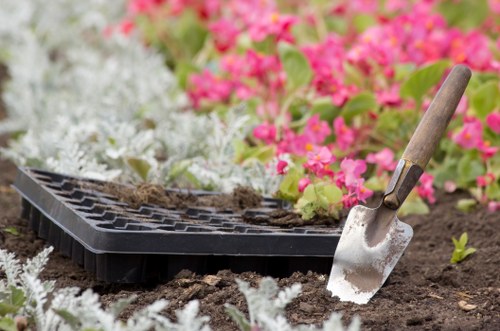
Some gardens benefit from a combined visit rather than treating every task separately. Where it is relevant, hedge trimming can sit alongside general maintenance or other outdoor improvements, especially when the hedge is part of a broader boundary or frontage. That can include work on adjoining planting, lawn edges or open areas that are easiest to manage at the same time. Keeping the scope joined up can make the overall result look more consistent.
Garden maintenance may be useful if the hedge is one part of a larger seasonal care plan, while lawn mowing can help finish the look of a front or back garden once the boundary lines have been cut back. For spaces that need a wider refresh, garden clearance can address areas where stray growth, cut material or neglected sections are getting in the way of normal use.
Where the work involves rethinking planting or updating the look of the space, landscape gardening and landscaping may be relevant options to explore. If you are planning a larger change to the outside area, it is worth deciding whether the hedge only needs a trim or whether the whole setting would benefit from a broader improvement. Contact us when you are ready to discuss the job in more detail.
About Sydenham
Sydenham is a district in south-east London that sits across parts of the London Borough of Lewisham and neighbouring areas, with Sydenham Hill also associated with the wider locality. The name is most closely linked to the historic village that grew around the old route between central London and Kent, and the area later developed through rail expansion in the nineteenth century. Today it combines residential streets, local shopping parades and green open spaces, giving it a character that feels both urban and leafy. The district includes a mix of terraces, semi-detached houses and mansion blocks, with many streets reflecting the phases of suburban growth that followed improved transport connections. Crystal Palace Park lies nearby and is an important landmark for the wider area, known for its ornamental lakes, broad paths and the legacy of the Great Exhibition’s relocated Crystal Palace. To the south and east, Sydenham connects towards Forest Hill, Penge and Upper Norwood, while Sydenham Wells Park, Mayow Park and other smaller open spaces add to the local landscape. The area is also known for its steady local centre along Sydenham Road, where everyday shops, services and cafés sit alongside older buildings and newer development. This blend of housing, transport history and green space gives Sydenham a distinct suburban identity within London.
Planning the right hedge care

The best hedge work starts with the plant itself. Evergreen and deciduous hedges do not always respond in the same way, and older hedges may need a more cautious cut than younger, faster-growing ones. It is also important to think about whether the hedge is meant to screen, define a boundary or stay decorative. A hedge used mainly for privacy may be trimmed differently from one that frames a front garden or sits beside a narrow walkway. The shape, density and species all affect the finish.
Hedge trimming can be carried out as routine maintenance or as a corrective tidy-up when growth has drifted away from the desired line. For hedges that have become too tall or broad, tree lopping and removal may be relevant where woody self-seeded growth or unwanted small trees have started to compete with the hedge. In some gardens, decking services may also be part of a wider outdoor plan if you are improving a seating area close to the boundary.
For customers wanting a clearer view of service options before they ask for a quotation, services overview and pricing and quotes are sensible pages to review. A brief description of the hedge height, approximate length and whether access is straightforward will help us understand the work required. If the hedge shares space with a fence, driveway edge or planted border, mention that too so the quotation can reflect the practical layout. Request a quotation when you are ready.
What affects the scope of hedge trimming
Every hedge is different, so the scope of trimming is shaped by a few practical factors. Height, thickness and access are usually the first considerations, followed by how long it has been since the last cut. A straight boundary hedge is usually simpler to manage than one with curves, corners or awkward changes in level. If the hedge sits close to a wall, path or other planting, the work may need extra care to keep the finish even and avoid unnecessary disturbance.
Seasonal growth matters too. A hedge that has put on a burst of fresh growth may need only a tidy cut, while one that has hardened into older wood can be slower to reshape. In those cases, the result may be improved gradually rather than in a single visit. We can discuss the kind of finish you want, whether that is a crisp formal line or a softer natural edge, and choose an approach that fits the hedge rather than forcing it into an unsuitable shape.
Helpful details for a quotation can include the hedge type if you know it, the approximate run length and whether waste removal is likely to be needed. You do not need to prepare a long list; a few clear notes are often enough to start with. When the scope is straightforward, that can keep the process simple. For more involved hedges, a slightly fuller description helps us judge whether the job is best handled as a trim, a reduction or a broader tidy-up.
Safety, access and finishing details
Careful hedge work should leave the garden neat without creating avoidable mess or disruption. Access around the hedge is important, especially where cutting needs to be done from one side only or where equipment has to be moved through a narrow route. If a hedge borders a shared path, driveway or front boundary, the finishing stage becomes just as important as the cutting stage because the line of the hedge should look deliberate from all main viewing angles.
It can also be useful to think about the timing of the work in relation to other tasks in the garden. For example, trimming after mowing or after a general tidy can make the boundary line easier to judge. Where cut material is involved, the amount of waste and the method of handling it should be considered as part of the job rather than as an afterthought. Clear edges, balanced sides and sensible access all contribute to a better result.
If you are unsure how much work your hedge needs, describe what looks out of shape or where it is causing a problem, then ask for guidance. A quotation is easier to prepare when the main aim is clear, whether that is height reduction, side trimming, top shaping or a combination of all three. You can keep your request simple and still receive useful advice on the likely scope.
Hedge work for different garden styles
Front gardens often call for a sharper, more regular line because the hedge is visible from the street and frames the entrance to the property. Back gardens may allow a softer finish, especially if the hedge is used to create privacy or to divide one part of the space from another. In both cases, the right trim should suit the overall style of the garden rather than drawing attention to itself. That usually means matching the hedge’s shape to the rest of the planting and hard landscaping.
Formal gardens often suit repeated light trimming to keep the outline tight and the top level, while informal gardens may look better with slightly less rigid edges. Mixed planting can be handled with more judgement, especially where the hedge is supporting wildlife cover or partially blending into beds and borders. A careful cut can keep the hedge tidy while still respecting the character of the wider space and the way it is used.
If the garden is part of a larger project, the hedge may be only one element in a phased plan. You might tidy the boundary first, then decide whether the rest of the space needs pruning, shaping or structural changes. That is often the most practical way to approach outdoor maintenance because it lets each section be assessed on its own merits. For a quick start, send a short description and ask us to quote on the work.
Getting a quotation
To request a quotation, start with the essentials: the hedge location, its approximate size and what you would like done. If the hedge is simply overdue a trim, that can be stated plainly. If it has grown too large and needs a reduction, mention the height or width you want to regain. Small pieces of useful information can make the estimate more accurate without turning the request into a long form.
Contact us when you are ready to discuss hedge trimming in Sydenham. If you would like to compare the service with our wider approach, you can also review about us and insurance and safety before you decide. We keep the enquiry process straightforward, and a clear outline of the job helps us respond with the most relevant quotation.
For straightforward jobs, a short message is often enough to begin. For more complex hedges, you may wish to note access points, nearby features and any parts of the hedge that need special care. Send the details you have, and if there is anything you are unsure about, say so in your enquiry. That way the quotation can reflect the work properly and you can move forward with confidence.