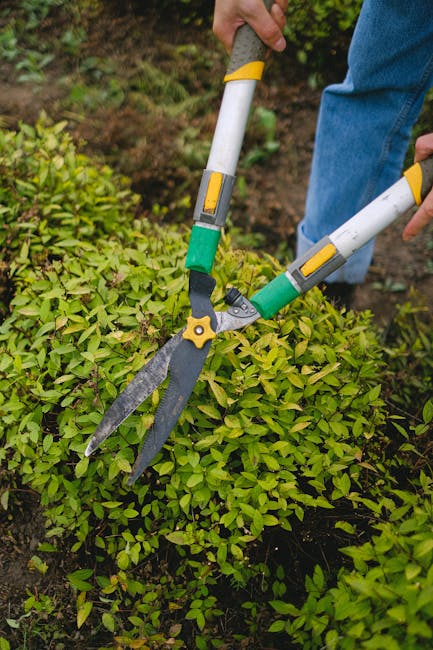
Crystal Palace Park hedge pruning gardeners Sydenham: a practical guide to tidy, healthy hedges
If you have been searching for Crystal Palace Park hedge pruning gardeners Sydenham, you are probably after a straightforward answer: who can keep hedges neat, healthy, and properly shaped without turning the job into a mess. Fair enough. A hedge looks simple from the pavement, but once it grows a bit wild, it can block light, spill into paths, and start looking tired very quickly.
This guide explains how local hedge pruning works, why it matters around Crystal Palace Park and Sydenham, what good results actually look like, and how to choose the right help for your garden. You will also get a practical checklist, a comparison of pruning approaches, and a few local-minded tips that make the whole process less stressful. Let's face it, most people do not want a lecture about shrubs. They just want the hedge sorted properly.
Why Crystal Palace Park hedge pruning gardeners Sydenham matters
Hedge pruning is not just a cosmetic job. Around Sydenham, where gardens can be compact, front boundaries matter more than people think. A hedge that is left too long can cast deep shade, encroach on pavements, and make a small outdoor space feel even tighter. That is especially noticeable near busier routes and park-adjacent homes, where a neat boundary can make the whole property look calmer and better cared for.
There is also the plant-health side. Regular pruning helps hedges stay dense rather than straggly. If you cut them correctly and at the right time, they tend to fill out well. If you keep taking random chunks out of one side or leave them too long between visits, they can thin out at the base. Once that happens, recovery is slower than most people expect. A hedge, annoyingly, remembers everything.
For many households and landlords, the real reason this work matters is simple: it saves time and reduces risk. Overgrown hedges can hide boundary issues, reduce visibility at driveways, and create awkward disputes with neighbours. A clean, balanced trim prevents problems before they get sticky.
If you are already coordinating broader garden care, it can make sense to combine hedge work with regular garden maintenance or even a seasonal tidy-up through services overview. That way the hedge is not treated as an isolated job while the rest of the garden slowly drifts out of shape.
Expert summary: Good hedge pruning is part plant care, part boundary management, and part visual finishing. The best results usually come from small, regular cuts rather than dramatic rescue jobs once a year.
How Crystal Palace Park hedge pruning gardeners Sydenham works
In practice, hedge pruning starts with an assessment. A decent gardener looks at the hedge species, its current shape, whether it needs a light trim or a corrective cut, and how close it sits to fences, paths, sheds, windows, or neighbouring properties. That first look matters. A yew hedge, for example, behaves very differently from a fast-growing privet or laurel. One size does not fit all, despite what the hedge seems to imply.
From there, the work usually follows a sequence: clear the area, protect nearby plants and surfaces where needed, prune to the right profile, collect waste, and then finish with a proper tidy-up. Good pruning should create a shape that is slightly wider at the base and narrower at the top, so the lower branches still receive enough light. Straight vertical walls may look neat for a week, but they are often poor for long-term growth.
A professional approach also considers timing. Many hedges do best when cut during their active growing season, while heavier shaping or renovation may be better done at a quieter time of year. The exact timing depends on species and site conditions, so the aim is usually to work with the hedge rather than fight it.
For homes that need more than pruning alone, gardeners may suggest pairing the job with hedge trimming, landscape gardening, or even selective tree lopping and removal where trees are shading a hedge excessively. That can make a bigger difference than people expect. Sometimes the hedge is not the problem; it is the giant conifer throwing shade over everything.
Key benefits and practical advantages
The best hedge pruning brings a mix of visual and practical gains. It is not glamorous, but it is one of those jobs you notice immediately once it has been done well. The garden feels more open. The boundary looks intentional. Light gets back into the space, and the whole place seems easier to use.
- Improved kerb appeal: a neat hedge frames the property and makes the front garden look looked-after.
- Healthier growth: regular pruning can encourage denser foliage and better structure.
- Better light and space: especially helpful in small gardens or shaded front plots.
- Clearer boundaries: useful where hedges sit close to paths, driveways, or shared edges.
- Reduced nuisance growth: fewer branches trailing over walkways, bins, gates, and windows.
- Less pressure later: smaller seasonal jobs are generally easier than big restoration cuts.
There is also a quiet emotional benefit. A tidy hedge has a surprisingly calming effect. You come home, glance at the boundary, and the garden just feels less chaotic. It sounds minor, but in a busy area like Sydenham, that matters. People live with their gardens every day, not just at weekends.
If the hedge sits alongside a lawn or a newly landscaped area, a coordinated approach can help keep the whole garden balanced. In that case, pairing pruning with lawn mowing or landscaping can produce a much cleaner result than doing the hedge alone.
Who this is for and when it makes sense
This service is relevant to a lot more people than you might think. Homeowners often reach out when a hedge has started swallowing daylight or blocking a front path. Landlords usually want boundaries kept presentable between tenancies. Let's be honest, nobody wants to hand over a property with a hedge that looks like it has gone feral after a rainy month.
It also makes sense for people with a small garden that needs disciplined upkeep. If your outdoor space is tight, every inch counts. A hedge that leans out even a little can make a patio feel cramped. A carefully cut hedge, by contrast, creates breathing room.
You may also need hedge pruning after a storm, a long holiday, or a missed season of maintenance. That is common. Life gets busy, and gardens do not wait politely. One windy week and suddenly the privet is behaving as if it owns the place.
It is also a sensible option if you are preparing for wider garden improvements. For example, hedge work often fits neatly before garden clearance, or as part of a longer-term plan through landscape gardening and a planned seasonal care routine.
Step-by-step guidance
If you want to understand how a well-run hedge pruning visit should unfold, this simple breakdown helps. It is not complicated, but it should be methodical. A rushed hedge job usually shows itself by the end of the day.
- Inspect the hedge and its surroundings. Check species, height, density, access, nearby plants, and any boundary concerns.
- Agree the aim. Are you after a light trim, a shape correction, height reduction, or a full tidy-up?
- Prepare the site. Clear loose items, protect delicate plants if needed, and make sure access is safe.
- Prune in stages. Start with the worst growth, then refine the sides and top so the hedge keeps a balanced profile.
- Check the shape from a distance. This sounds basic, but standing back catches uneven lines that are easy to miss up close.
- Remove waste and tidy thoroughly. If clippings are left everywhere, the job feels half-finished, and they can smother grass or beds.
- Review aftercare needs. Some hedges benefit from watering in dry spells or a follow-up trim later in the season.
If you are doing the work yourself, be conservative. You can always take a bit more off, but you cannot stick branches back on. Truer words, sadly, never said. For many people, especially on ladder work or near awkward boundary lines, professional help is simply the safer choice.
Expert tips for better results
Good hedge work is often about restraint. That sounds slightly dull, but it is the truth. The most attractive hedges rarely come from aggressive cutting. They come from steady, consistent shaping over time.
- Trim little and often: light, regular pruning usually keeps the hedge healthier and easier to manage.
- Keep the base slightly wider: this helps lower growth receive light and reduces bare patches.
- Watch the weather: very wet days make cleanup messy; hot, dry spells can stress freshly cut hedges.
- Think about nesting seasons and wildlife: always check for active nests or signs of habitation before cutting.
- Plan around sightlines: if the hedge borders a drive, path, or road corner, visibility matters as much as appearance.
- Use a final hand-finish: the last few snips often make the biggest difference to the overall line.
In our experience, customers are often happiest when the hedge still looks like a hedge. That sounds obvious, but over-shaping can leave it boxy, harsh, and oddly exposed. The goal is clean structure, not haircut drama.
If safety and insurance matter to you, which they should, it is worth checking the provider's insurance and safety approach and the general health and safety policy. Those pages are useful because they show how a company thinks about risk before a ladder ever comes out of the van.
Common mistakes to avoid
The most common hedge-pruning mistakes are usually not exotic. They are the everyday things that creep in when work is rushed or planned badly. And yes, they can make a good hedge look tired for months.
- Cutting too hard at once: severe reductions can shock the plant and leave awkward gaps.
- Making the top wider than the base: this blocks light lower down and encourages thinning.
- Ignoring the species: different hedges respond differently, so generic cutting is rarely ideal.
- Skipping the cleanup: clippings left behind can make the garden look messy, even if the cut itself was neat.
- Working without checking for hazards: hidden wires, poor footing, unstable ground, and unstable ladders are all real issues.
- Waiting until the hedge is unmanageable: the longer you leave it, the harder it is to restore balance.
One sneaky mistake is trying to "fix" a hedge in one go because you feel behind. It is tempting. It also often leads to uneven bare patches. Better to do a sensible correction now and a second refinement later if needed.
Another thing worth saying: if your hedge is part of a shared boundary, talk to your neighbour before any major work. Not every job needs a formal discussion, but a quick heads-up avoids awkwardness. Neighbours, bless them, can become very interested in hedges at the exact moment you pick up the trimmer.
Tools, resources and recommendations
For a small garden, basic hand tools can be enough. For larger hedges, shaped fronts, or tall side boundaries, the tools and access setup matter more. What looks like a simple afternoon job can become complicated fast once height and reach enter the picture.
| Approach | Best for | Strengths | Limitations |
|---|---|---|---|
| Hand pruning | Small hedges, detail finishing, light shaping | Precise, quiet, good control | Slower, less practical for large jobs |
| Powered hedge trimming | Medium to large hedges, regular maintenance | Fast, efficient, consistent coverage | Needs skill to avoid uneven cutting |
| Seasonal maintenance plan | Busy households, rental homes, structured gardens | Keeps growth manageable and predictable | Requires planning and follow-through |
| Combined garden service | Gardens needing a wider tidy-up | Better overall finish and less disruption | May not suit very small one-off jobs |
If the garden has become cluttered as well as overgrown, combining hedge work with garden clearance can save time and make the whole space easier to manage. It is especially useful after a long break between visits or before a property sale.
For many clients, the practical next step is to compare the likely result, not just the tool. A neat finish, proper waste handling, and a clear explanation of what was done are worth more than fancy kit. Shiny tools are fine. Results are better.
Law, compliance, standards, and best practice
Hedge pruning is not usually a heavily regulated activity in everyday domestic settings, but there are still sensible expectations to follow. In the UK, you should always think about safety, neighbour boundaries, wildlife, and any local access issues. If work affects a pavement, shared access, or a roadside frontage, the contractor should be extra careful about safe working and clear debris removal.
Best practice also means working responsibly around nesting birds and avoiding unnecessary disturbance. If a hedge is heavily used by wildlife, it may be better to delay major pruning or adjust the scope. That is not being awkward; it is being sensible. Good gardeners know when to pause.
Insurance matters too. Anyone working at height, using powered equipment, or handling heavy clippings should have suitable cover and a serious approach to site safety. If you are comparing providers, a page like insurance and safety can tell you a lot about the company's working standards without needing a long sales pitch.
It can also be reassuring to check company policies on payment and security, terms and conditions, and privacy. These may not seem directly about hedge pruning, but they do show how professionally a business is run. And frankly, that matters.
Options, methods, and comparison table
If you are trying to choose the right approach, it helps to compare the common options side by side. The best choice depends on hedge size, urgency, budget, and how much shape correction is needed.
| Option | When it works well | What you get | Who it suits |
|---|---|---|---|
| DIY light trim | Small, accessible hedges with modest growth | Basic tidiness and a quick refresh | Confident gardeners with the right tools |
| Professional hedge pruning | Medium to large hedges, height work, awkward access | Cleaner lines, safer handling, better finish | Most homeowners and landlords |
| Seasonal maintenance visit | Hedges that need repeat control through the year | Predictable growth and less drastic cutting later | Busy households and rental properties |
| Full garden tidy-up | Hedges plus borders, lawns, and clutter needing attention | A much neater overall garden reset | Overgrown or neglected gardens |
In many cases, the right answer is not "one-off or nothing." It is a hybrid. A first visit to restore shape, then lighter maintenance later. That tends to feel more manageable for the owner and kinder to the hedge.
Case study or real-world example
Here is a realistic scenario from the kind of job people often ask for in Sydenham. A semi-detached home near Crystal Palace Park has a front hedge that has grown high enough to block the downstairs window and spill slightly over the path. The owner is not after a dramatic redesign. They just want the place to feel lighter and less enclosed.
The gardener starts by checking the hedge line, clearing leaf litter, and deciding on a modest reduction rather than a harsh cut. The top is lowered enough to restore daylight, while the sides are brought back into line. The base is left subtly broader than the top so the hedge keeps a balanced profile. Waste is collected, the path is swept, and the boundary looks calmer by late afternoon. It is one of those jobs where the improvement is immediate but not flashy.
That kind of result is usually the sweet spot. Not overworked, not underdone. Just tidy, healthy, and sensible. If there is an adjacent lawn, a follow-up pass with lawn mowing can make the whole frontage feel finished, almost surprisingly so.
Practical checklist
Use this quick checklist before booking hedge pruning or starting the job yourself. It keeps the basics in view, which is often where things go wrong.
- Know what type of hedge you have and how tall it has grown.
- Decide whether you need light trimming, shape correction, or a heavier reduction.
- Check for nesting birds, wildlife activity, and nearby obstacles.
- Confirm access to front, side, and rear areas.
- Think about waste removal and how much clippings will need clearing.
- Consider whether the hedge should be paired with other garden work.
- Ask how the final shape will be maintained after the initial prune.
- Review safety, insurance, and payment information if hiring a contractor.
- Make sure shared boundary concerns are handled politely in advance.
- Plan the next visit before the hedge gets too wild again.
That last point sounds simple, but it is the one many people skip. A hedge that is planned for once is easy. A hedge that is scheduled is even easier.
Get a free quote today and see how much you can save.
Conclusion
Crystal Palace Park hedge pruning gardeners Sydenham are there to do more than make a hedge look tidy for a day. The real value is in healthier growth, better light, cleaner boundaries, and a garden that feels easier to live with. Whether you need a small seasonal trim or a more considered reset, the smartest approach is usually the same: cut carefully, respect the hedge's structure, and leave the site properly finished.
If you are planning a broader outdoor refresh, it may also be worth looking at about us, pricing and quotes, or the main services overview to see how hedge work fits with the rest of the garden. A well-kept hedge can quietly change how a whole property feels. That is the nice part. It does not shout. It just improves everything around it, a little at a time.
And honestly, that is often enough.
Frequently Asked Questions
How often should hedge pruning be done in Sydenham?
It depends on the hedge type and how fast it grows, but many gardens benefit from light pruning once or twice during the growing season. Faster-growing hedges may need more frequent attention.
Is hedge trimming the same as hedge pruning?
Not quite. Trimming usually means light, regular shaping to keep a hedge neat. Pruning can include more selective cutting, corrective work, or reductions that affect structure more noticeably.
Can a hedge be cut back too much?
Yes. Hard cutting can leave bare patches, stress the plant, or slow recovery. It is usually better to reduce a hedge gradually unless a stronger corrective cut is clearly needed.
What time of year is best for hedge pruning?
That depends on the species. Many hedges respond well to work during active growth, while more structural pruning may be better timed differently. A gardener should judge the hedge rather than use a one-rule-fits-all approach.
Do hedge pruning gardeners remove all the clippings?
They should. A proper job normally includes clearing and disposing of hedge waste unless you have agreed otherwise. Leaving piles of clippings behind is a bit of a false economy, really.
Will pruning make my hedge grow back thicker?
Regular, correct pruning can help encourage denser growth in many hedges, especially when the shape allows light to reach lower branches. The results vary by plant species and the hedge's current condition.
What if my hedge is overgrown and uneven?
Overgrown hedges usually need a staged approach. Sometimes the best result comes from restoring the line in phases rather than cutting everything back at once. That is often safer for the plant and nicer to look at.
Can hedge pruning be combined with other garden work?
Yes, and often it should be. Combining hedge pruning with garden maintenance, garden clearance, or landscaping can improve the final result and save time.
What should I ask before hiring someone for hedge pruning?
Ask how they handle safety, waste removal, hedge species differences, and the final shape they plan to create. It also helps to check their terms, insurance, and how they quote for the job.
Are there wildlife concerns with hedge cutting?
Yes. Hedges can shelter nesting birds and other wildlife, so work should be timed and checked carefully. If there are signs of active nesting, pruning may need to be delayed or adjusted.
What makes a good hedge-pruned finish?
A good finish looks even, balanced, and natural to the hedge type. The base should usually be slightly wider than the top, clippings should be removed, and the boundary should feel tidy without looking overworked.
How do I get started with a local hedge pruning service?
Start by looking at the hedge's condition, deciding what sort of result you want, and then requesting a quote from a local gardener who understands boundary work, access issues, and seasonal maintenance. A clear first conversation usually saves a lot of faff later.