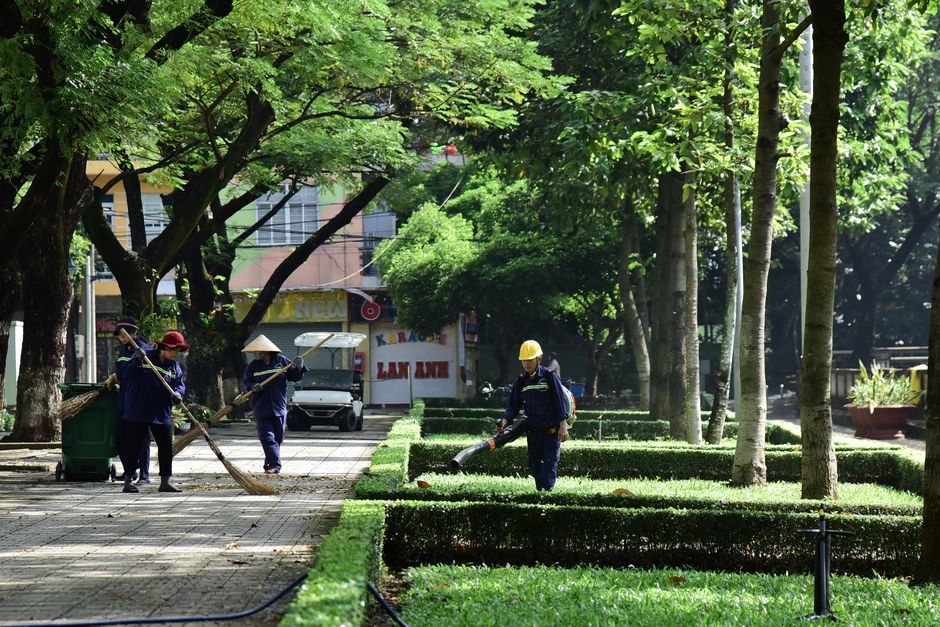
Mayow Park gardeners local maintenance and access tips
If you live near Mayow Park, manage a property close by, or simply want reliable help keeping an outdoor space tidy, the practical side matters as much as the gardening itself. Mayow Park gardeners local maintenance and access tips is really about making regular garden care easier to plan, easier to carry out, and less disruptive for everyone involved. That includes safe gate access, clear arrival instructions, sensible seasonal maintenance, and a few small local habits that save time on the day. Truth be told, the difference between a smooth visit and a frustrating one is often tiny: a locked side gate, a narrow path with overgrown shrubs, a missing bin key. Little things. Big effect.
This guide pulls those details together in plain English. You'll find what local maintenance usually covers, how access planning works in practice, what to check before a gardener arrives, and how to avoid common mistakes that can make a straightforward job feel awkward. It also gives you a realistic sense of when to book help, what good service looks like, and how to stay organised without overcomplicating it. If you're comparing service options, you may also find the broader local guidance on South East London gardening services useful when thinking about the right level of support for your outdoor space.
Table of Contents
- Why Mayow Park gardeners local maintenance and access tips Matters
- How Mayow Park gardeners local maintenance and access tips Works
- Key Benefits and Practical Advantages
- Who This Is For and When It Makes Sense
- Step-by-Step Guidance
- Expert Tips for Better Results
- Common Mistakes to Avoid
- Tools, Resources and Recommendations
- Law, Compliance, Standards, or Best Practice
- Options, Methods, or Comparison Table
- Case Study or Real-World Example
- Practical Checklist
- Conclusion
- Frequently Asked Questions
Why Mayow Park gardeners local maintenance and access tips Matters
Local gardening support is rarely just about lawn cutting or hedge trimming. Around Mayow Park, gardens can vary a lot: compact front gardens, shared side access, terraced back gardens, family spaces with heavy use, and the occasional awkward entrance where the wheelie bins, bikes, and washing line all seem to compete for the same corner. That's where local maintenance planning earns its keep. It keeps the work practical, safe, and efficient.
Good access planning matters because many garden tasks rely on moving equipment, waste bags, cuttings, ladders, fuel-driven tools, or bulky materials in and out without causing damage. If the route into the garden is blocked, muddy, too narrow, or unclear, the job can take longer and cost more. Even worse, it can create avoidable wear on paving, fencing, or planted areas.
It also matters for neighbour relations. In a built-up area, nobody wants a mower idling for no reason outside someone's window, or a gardener squeezing through shared space without warning. A little planning keeps things calm. And calm is underrated, to be fair.
There's another layer too: consistency. Regular maintenance works best when the gardener knows the site, the access points, the seasonal quirks, and the exact expectations. That familiarity means less time spent on explanations and more time spent actually improving the garden. If you're building a broader care plan, the service page for gardening services is a useful place to understand how different maintenance tasks can fit together.
How Mayow Park gardeners local maintenance and access tips Works
At the simplest level, the process is straightforward: you arrange the work, explain access, agree what needs doing, and make sure the garden is ready enough for the team to get started safely. In real life, though, a good visit depends on a few more moving parts.
First comes the site review. A gardener will usually want to know whether the property has front, side, or rear access; whether gates are locked; whether parking is available; and whether there are obstacles like narrow alleys, steps, pets, or fragile surfaces. This is not paperwork for the sake of it. It helps them bring the right tools and time the visit properly.
Then comes the maintenance plan. For many local gardens, that means a mix of routine tasks and occasional seasonal work. Routine tasks might include mowing, strimming, weeding, edging, sweeping, leaf clearance, pruning, and checking plant health. Seasonal tasks often focus on growth spurts, storm damage, or late-autumn clear-downs. The exact mix changes with the garden, but the logic stays the same: keep things manageable before problems build up.
Finally, there's access on the day. This can be as basic as leaving a side gate unlatched or as detailed as giving a key, a code, or a parking note. In our experience, the smoothest jobs are the ones where access is discussed in advance rather than guessed at the doorstep. Guesswork is a bad hobby here.
For homes with more complex boundaries or trees overhanging access routes, it can help to understand the wider maintenance picture as well. The information on tree surgery is worth a look if you're dealing with branches, clearance issues, or growth that affects entrances and light.
Key Benefits and Practical Advantages
The real value of local maintenance and access planning is not abstract. It shows up in time saved, better results, and fewer headaches. A tidy, easy-to-enter garden almost always produces better work than one where the team has to battle through a jumble of obstacles before they even start.
- Faster visits: less time spent moving equipment around means more time on the actual job.
- Safer working conditions: clear access lowers the risk of trips, slips, damaged planting, or accidental knocks.
- Better quality results: a gardener can work more carefully when they are not rushing around barriers.
- Less disruption: neighbours, pets, and household routines are easier to manage when arrival and access are organised.
- More predictable costs: simple access tends to mean simpler scheduling, and that helps avoid awkward surprises.
There is also a less obvious benefit: regular maintenance tends to stop a garden slipping into that frustrating halfway state where it looks almost fine from a distance but is fiddly to work in close up. You know the kind of place. The lawn edges are a bit wild, the path is slightly slippery with moss, and the back gate sticks just enough to be annoying. None of it is dramatic on its own, but together it makes every visit harder.
Well-planned access helps with seasonal jobs too. After a windy week, for instance, leaf clearance is quicker if the route through the garden is easy. In early spring, pruning and border tidying are cleaner tasks if tools can get in without obstacle courses. Small things, but they add up.
Who This Is For and When It Makes Sense
This kind of guidance is useful for a wide range of people, not just homeowners with immaculate lawns. If you're near Mayow Park and want regular help, the practical questions are usually the same: how often should work happen, what can be done safely, and how do you make access simple enough that the job feels worth doing?
It makes sense for you if you are:
- a homeowner who wants a tidy, low-stress garden without doing everything yourself;
- a landlord or property manager keeping outdoor areas presentable between tenancies;
- a busy family needing regular tidying rather than a full redesign;
- an older resident wanting reliable support for heavier or more physical tasks;
- someone with a side passage, shared entry, or limited parking who needs planning more than labour.
It also makes sense if you've already noticed a few repeated problems: plants blocking the route, moss making paths slippery, tools being hard to carry, or timing visits around school runs and work-from-home calls. Those are the moments where a sensible routine pays off. No drama, just less faff.
If your garden is larger or includes more specialist planting, the right solution may involve a mix of garden care and tree or hedge work. A broader look at our services can help you see how different tasks fit together rather than treating each one as a separate issue.
Step-by-Step Guidance
Here's a practical way to organise maintenance and access without overthinking it. Use it as a simple working method before any visit.
1. Walk the access route first
Before the gardener arrives, check the route from the street to the main work area. Look for bins, toys, bikes, hoses, loose slabs, uneven paving, and anything that could catch a wheelbarrow or tool bag. If the weather has been wet, notice where the ground stays soft or slippery. A slightly muddy side passage can be a nuisance in the morning and a proper mess by lunchtime.
2. Decide what really needs doing
Be honest about priorities. Is the job mainly lawn care, border clearing, hedge trimming, or a complete tidy-up? If everything is urgent, say so, but it still helps to identify the top three tasks. That way, if time runs tight, the most important work is done first.
3. Confirm access details clearly
Tell the gardener how they get in, where to park, whether there is a key safe or code, and whether anyone will be home. If there are pets inside, say that too. A quick message the day before is often enough. It avoids the awkward "I'm outside the wrong gate" moment. Happens more than people admit.
4. Make the workspace tidy enough
You do not need to prepare the garden like a showroom. But clearing away obvious obstacles helps a lot. Move ornaments that could get knocked, coil up hoses, and stack lightweight furniture if it blocks the route. If there are fragile pots, point them out. Most gardeners are careful, but they cannot protect what they cannot see.
5. Agree waste handling in advance
Cuttings, leaves, soil, and old material need somewhere to go. If the site has a garden waste bin, make sure it is accessible. If not, ask how green waste will be managed. This is one of those details people forget until the end of the visit, then everything gets a bit clumsy.
6. Check the result and note the next action
Once the work is done, take a minute to walk the garden. Look at the finished edges, gate access, any leftover debris, and anything that may affect next time. If the gardener spotted a drainage issue, pest problem, or diseased plant, note it and plan the next step rather than leaving it to memory.
Expert Tips for Better Results
A few small habits make a big difference, especially for recurring maintenance. These are the things experienced gardeners and organised property owners tend to do without making a fuss about it.
Keep access instructions simple and current. If the side gate code changes or a lock becomes stiff, update the note straight away. Old instructions are worse than none.
Work with the season, not against it. Spring growth, summer watering, autumn leaf drop, and winter pruning all create different access needs. In autumn, for example, wet leaves near entry paths can make the route slippery just when everyone is carrying equipment. Bit of a pain, but easy to plan around.
Leave enough room for movement. A gardener does not need a wide-open lawn, but they do need enough space to turn, lift, and work safely. If the route is tight, reduce clutter before the visit.
Use regular short visits instead of waiting for a huge tidy-up. Smaller, more frequent maintenance visits are often easier to schedule and cheaper in practical terms because they prevent work from snowballing. Let's face it, a garden ignored for months rarely thanks you for it.
Ask for clarity on the boundaries of the job. If you want hedge trimming, edging, weeding, and waste removal, say so. If you only want the front and side access areas managed, say that too. Clear scope prevents frustration later.
Take a quick photo before the first visit. This is especially useful if the property has tricky access or existing damage. It helps everyone remember the starting point without turning the job into a debate.
If you are comparing long-term upkeep options, the broader approach outlined on tree maintenance can also help you think about how ongoing plant care affects pathways, light, and access over time.
Common Mistakes to Avoid
Most access and maintenance problems are not dramatic. They are usually just a chain of small oversights. The good news? That means they are easy to prevent once you know what to look for.
- Leaving the route blocked: bins, garden furniture, and bikes left in the way slow everything down.
- Assuming access is obvious: what seems clear to you may be confusing to someone arriving for the first time.
- Booking work without checking the garden condition: if the ground is waterlogged or the path is slippery, some jobs may need adjusting.
- Forgetting pets or children's play equipment: both can become a safety issue if not mentioned in advance.
- Being vague about expectations: "tidy it up" can mean five different things to five different people.
- Ignoring waste removal: nothing finishes a job badly like cuttings sitting in bags for three days because no one planned where they would go.
One mistake people often make is treating the garden like a one-off project rather than a living space. A hedge grows back. Leaves fall again. Moss returns after wet spells. The trick is to make recurring access and upkeep easy enough that you do not dread the next visit.
Tools, Resources and Recommendations
You do not need a van full of gear to prepare well. Often the most useful tools are surprisingly simple. A few are worth keeping close at hand whether you manage the space yourself or coordinate outside help.
| Item | Why it helps | Best use |
|---|---|---|
| Key safe, spare key, or access code note | Makes entry straightforward without delays | Regular garden visits, especially when you are not home |
| Bin or waste storage plan | Gives cuttings and debris a clear exit route | Pruning, mowing, leaf clearance |
| Lightweight storage box or deck box | Keeps small tools and clutter out of the way | Smaller urban gardens |
| Photo notes on your phone | Helps document access points, problem areas, and seasonal changes | First-time bookings and recurring work |
| Garden notebook or simple task list | Keeps track of what was done and what still needs attention | Ongoing maintenance planning |
For many households, a simple "garden access note" kept with other property instructions is enough. That note can include gate location, parking instructions, pet details, and any fragile areas. Nothing fancy. Just enough to make the visit easier.
Where services overlap, it is worth thinking beyond the immediate task. Overgrown roots, low branches, and blocked light can affect the whole outdoor space. If that sounds familiar, the more detailed garden and tree FAQ guidance may help answer the awkward questions people usually forget to ask until the last minute.
Law, Compliance, Standards, or Best Practice
For everyday garden maintenance, most of the useful guidance comes down to sensible working practice rather than complex rules. Still, there are a few areas where care matters, especially in London where homes can be close together and access is often shared.
Safe access and working conditions: Good practice means keeping routes reasonably clear, reducing trip hazards, and making sure anyone entering the property knows how to do so safely. If tools, machinery, or ladders are involved, the route should support safe handling rather than forcing awkward lifts or unstable footing.
Neighbour consideration: Noise, shared boundaries, and parking can all affect a job. While not every situation needs formal agreement, polite timing and clear communication prevent a lot of friction. If work is likely to be noisy, it is often better to mention it in advance.
Waste handling: Garden waste should be dealt with responsibly and in line with local arrangements. The practical point here is not a legal lecture; it is simply to confirm in advance whether waste is being removed, stored temporarily, or left in bins on site.
Property and boundary awareness: If there are shared paths, delicate fencing, or access across another part of the property, make sure everyone understands the boundaries. That protects both the garden and the relationship with neighbours.
Insurance and contractor professionalism: If you are booking outside help, it is reasonable to expect clear communication, sensible care, and appropriate insurance arrangements for the work being undertaken. You do not need to turn it into a legal interview, but you should feel comfortable that the job is being handled properly.
In short, the best practice is simple: keep things clear, safe, and respectful. That covers most situations neatly.
Options, Methods, or Comparison Table
Different gardens need different levels of maintenance support. The right approach depends on size, layout, how much time you have, and how tricky the access is. Below is a practical comparison of the most common options.
| Approach | Best for | Pros | Trade-offs |
|---|---|---|---|
| One-off tidy-up | Overgrown gardens or seasonal reset jobs | Fast improvement, good for visible impact | Can get messy again if follow-up is delayed |
| Regular maintenance visits | Busy households and properties that need consistency | Predictable, usually easier to manage, less buildup | Requires routine scheduling |
| Task-based visits | Gardens with occasional problem areas only | Flexible and targeted | May leave some areas under-maintained |
| Full-service garden management | Larger or more demanding outdoor spaces | Comprehensive and less hands-on for the owner | More planning and broader scope needed |
If access is limited, regular short visits often work better than big occasional jobs. Why? Because the team can move in and out more efficiently, and the garden stays easier to work in. On a cramped terrace, that can make the whole difference between "fine" and "actually pleasant to maintain."
Case Study or Real-World Example
Consider a typical Mayow Park terrace garden: a narrow side passage, a back gate that sticks when it rains, a lawn that gets patchy in shade, and a border that seems to grow twice as fast in May. Nothing dramatic. Just ordinary urban garden life.
The first visit goes best when the owner has already done three things: moved the bins away from the side path, left the gate unlatched, and pointed out where the hose and fragile pots are stored. The gardener can get straight to the mowing, edging, and pruning without spending the first twenty minutes rearranging the route. The result is better, the job is calmer, and the garden looks more like it has been cared for, not just attacked.
After that, a simple routine is set: monthly general maintenance in spring and summer, leaf clearance in autumn, and a quick winter check for access and drainage. The owner also keeps a short note about the gate and parking instructions, because nobody wants to repeat the same explanation every time. Small, boring admin. Very useful.
What changed most? Not the size of the garden. The way it was managed. Once access was made predictable, the garden stopped feeling like a chore and started feeling maintainable again.
Practical Checklist
Use this checklist before a maintenance visit. It is simple on purpose.
- Confirm the date, time, and duration of the visit.
- Check how the gardener will access the property.
- Make sure gates, codes, or keys are ready.
- Clear the main path from street to garden.
- Move bins, bikes, toys, and loose furniture if needed.
- Point out fragile plants, pots, or garden ornaments.
- Agree what work should be prioritised first.
- Confirm where garden waste should go.
- Tell the gardener about pets, neighbours, or shared access points.
- Walk the garden afterwards and note follow-up tasks.
Quick reminder: if the access route is awkward for you, it will probably be awkward for someone carrying tools as well. That is usually the best clue.
Conclusion
Mayow Park gardeners local maintenance and access tips are really about reducing friction. When the route is clear, the plan is sensible, and the work is matched to the garden's real needs, maintenance becomes calmer, quicker, and far more effective. That matters whether you are keeping a small urban garden tidy or coordinating regular support for a larger outdoor space.
The strongest results usually come from the basics done well: clear instructions, realistic expectations, seasonal planning, and a little forward thinking about access. Nothing fancy. Just a steady, practical routine that lets the garden breathe and the work happen without fuss.
If you are ready to move from "I should sort this out" to an actual plan, start with access and priority tasks, then build from there. It is often easier than it looks once the first visit is properly organised.
Get a free quote today and see how much you can save.
And if you keep just one thing in mind, let it be this: a well-kept garden is rarely the result of big dramatic effort. More often, it is the quiet consistency that wins, week after week.
Frequently Asked Questions
What does Mayow Park gardeners local maintenance and access tips usually cover?
It usually covers the practical side of garden care near Mayow Park: regular maintenance tasks, how a gardener gets into the property, what needs clearing before a visit, and how to keep the work efficient and safe.
How do I prepare my garden for a local maintenance visit?
Clear the main access route, move loose items out of the way, confirm gate or key access, and make a short list of priorities. You do not need to make the garden perfect, just workable.
Do gardeners need easy access to the back garden?
Usually, yes. Easy access helps with equipment, waste removal, and time efficiency. If the route is tight or shared, it is best to explain that before the visit so the work can be planned properly.
What if my side passage is narrow or awkward?
That is common in London gardens. Mention it in advance, clear the path as much as possible, and ask whether any equipment or timing adjustments are needed. Small changes can make a big difference.
How often should local garden maintenance happen?
It depends on the garden's size, growth rate, and use. Many gardens benefit from regular visits in spring and summer, with lighter seasonal work in autumn and winter. A good gardener will help you set a sensible rhythm.
Can gardeners remove green waste from the property?
Often yes, but it should be agreed in advance. Ask how cuttings and debris will be handled so there are no surprises at the end of the job.
What should I tell a gardener about access before they arrive?
Share the entry method, parking details, gate codes if used, pet information, and any awkward spots like slippery paths or fragile paving. The more accurate the note, the smoother the visit.
Is a one-off tidy-up better than regular maintenance?
It depends on the garden. A one-off tidy-up is useful for recovery jobs, but regular maintenance is usually better for keeping access easy and preventing larger problems from building up.
What are the most common access problems in local gardens?
Blocked paths, stuck gates, narrow passages, poor lighting, loose paving, and unclear parking arrangements are the big ones. None of them are impossible, but they do slow things down if ignored.
How do I know if my garden needs more than basic maintenance?
If hedges are affecting access, trees are blocking light or paths, drainage is poor, or the garden keeps becoming hard to move through, you may need a broader care plan rather than just routine tidying.
Do I need to be home during the visit?
Not always. If access is arranged clearly through a key, code, or agreed entry point, many visits can happen without you being there. Just make sure instructions are precise and current.
What's the biggest mistake people make with garden access?
Assuming the gardener will work around everything without being told. A quick message about gates, parking, pets, and obstacles saves far more time than people expect. Honestly, it's one of the easiest ways to avoid a headache.